
Introduction: Why E-Commerce Can’t Rely on Code Alone Anymore
In today’s hyper-competitive ecommerce landscape, having a functional store isn’t enough. Brands that dominate search rankings and conversions are design-first and user-obsessed. Welcome to the era of design-led development, where UX, UI, brand storytelling, and performance meet clean, scalable code.
Whether you’re building on Shopify, WooCommerce, Magento, BigCommerce, or a headless stack, design-led development ensures you don’t just launch a site—you launch a powerful customer experience that ranks well on Google, converts better, and grows sustainably.
What is Design-Led Development?
Design-led development is a process where design principles drive the architecture, functionality, and user journey of a website, instead of treating design as an afterthought to development.
This approach blends:
- Brand identity and visual storytelling
- UX/UI design strategy
- Conversion-centric layouts
- Speed and SEO performance
- Mobile responsiveness and accessibility
And it matters more than ever.
Why It’s the Future of E-Commerce
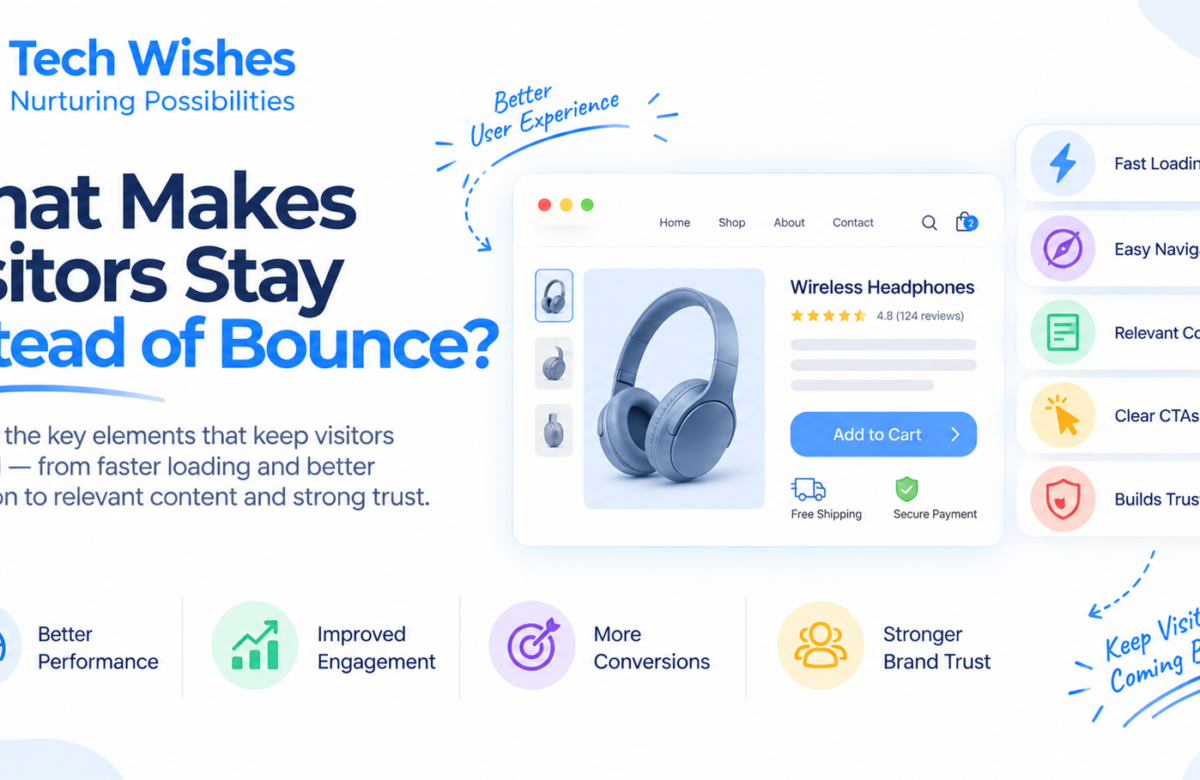
1. User Experience Is Now a Ranking Factor
Search engines like Google now factor in Core Web Vitals—a set of UX-focused performance metrics—in determining search rankings.
Design-led development optimises:
- Page speed
- Mobile layout fluidity
- Visual stability
- Time to interact
A beautiful interface means nothing if it’s not fast, clear, and usable. Design-led teams ensure all visual elements support performance and search engine friendliness.
Also read : How Important Are Core Web Vitals in 2025 for E-commerce Sites?
- AI Search and AEO Favour Structured, Intent-Based Experiences
With AI Overviews and voice search becoming common, Answer Engine Optimisation (AEO) is critical. This requires:
- Scannable, hierarchy-rich content layouts
- Thoughtful use of headings and microcopy
- Intuitive information architecture
Design-led development weaves in content discoverability and user intent from the planning stage, making ecommerce sites more eligible for featured snippets, Google’s AI overviews, and voice assistants.
- Conversion Rate Optimisation (CRO) Starts With Visual Journey
Design isn’t just aesthetics—it guides action.
Design-led development focuses on:
- Hierarchy of content and CTAs
- Colour psychology and emotion-driven layouts
- Seamless add-to-cart and checkout flows
- Mobile-first gestures and thumb zones
According to Baymard Institute, 69% of shoppers abandon carts due to poor UX. A design-driven process helps eliminate friction at every step.
- Brand Perception Depends on Visual Trust
Your website is your digital storefront. A design-led approach ensures:
- Consistent visual language
- Professional UI with trust signals
- Modern, future-proof aesthetics
In an e-commerce world full of lookalike templates, brands that invest in custom design stand out and earn long-term loyalty.
- Design Enables Better SEO Implementation
High search intent keywords are important, but how they’re implemented matters even more.
Design-led development supports SEO by:
- Strategically placing content sections with built-in heading hierarchy
- Using schema markup and structured layouts
- Enabling SEO-friendly breadcrumbs and faceted navigation
- Ensuring visual-first content is paired with crawlable text
Whether you’re optimising product pages or category landing pages, this approach ensures both users and crawlers love your site.
How to Integrate Design-Led Development in Your Next E-Commerce Project
Step 1: Start With Discovery, Not Templates
Avoid jumping into themes or dev stacks. Begin with:
- Audience research
- Competitor benchmarking
- SEO keyword mapping
- User journey flowcharting
- Brand personality and tone setting
Let this research inform the design wireframes, not vice versa.
Step 2: Collaborate Across SEO, UX, and Dev Early
Bring your SEO expert, designer, and developer into the room together before any line of code is written.
This ensures:
- Clean site architecture
- Fast-loading UI components
- Intent-based layouts
- Built-in structured data
It also helps reduce rework later, saving time and cost.
Step 3: Test, Iterate, and Scale
Design-led development is agile and continuous. Once you launch:
- Use tools like Hotjar and Google Analytics for UX feedback
- A/B test CTA placements, banner designs, and content sections
- Continuously refine layouts based on SEO performance and CRO data.
Over time, this approach builds better rankings, lower bounce rates, and higher LTV (lifetime value).
Localised Design Elements
Design-led ecommerce sites don’t just look good—they perform better locally.
Here’s how to integrate GEO SEO into your design:
- Add country/city-specific banners
- Highlight local shipping, delivery timelines, or COD options.
- Use local language cues and currency.s
- Show region-specific product selection. Optimise store speed for target countries with multi-CDN hosting.
A GEO-aware design builds trust and improves click-throughs from localised search queries like:
- “Buy eco-friendly bags in Dubai”
- “Best men’s shoes online in India”
- “Fast shipping skincare USA”
Why Our Clients Choose Design-Led Development
At Tech Wishes, we’ve rebuilt ecommerce stores using a design-led SEO-first approach, leading to:
- 40% increase in organic conversions
- 60% faster page load times
- 3x improvement in mobile engagement
- Massive keyword visibility in AI search and local GEO queries
Our clients didn’t just launch websites—they built brand experiences.
It’s Time to Shift Left—With Design
The future of e-commerce isn’t just about selling products. It’s about building seamless, search-ready, conversion-driven user experiences that reflect your brand at every scroll, swipe, and click.
Design-led development is how modern brands grow organically, convert consistently, and scale with confidence.
Ready to rebuild your store with a performance-first design team?
Let the Tech Wishes team of web developers help you launch a design-led, SEO-optimised store built for the future of e-commerce.