
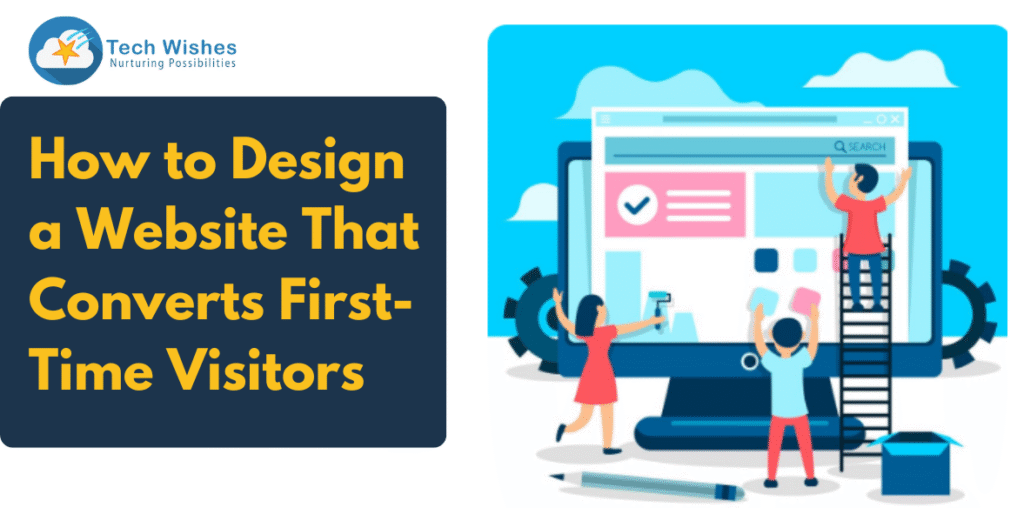
Your website has only one shot to make a strong first impression. When a new user lands on your site, you have just seconds to capture their attention, build trust, and nudge them toward action. If you’re wondering how to design a website that converts first-time visitors, this is your complete guide.
In this post, we’ll break down what today’s users expect from a high-converting website and how you can align your design, content, and user journey to improve website conversions, starting from their very first visit.
Why First-Time Visitors Matter More Than You Think
Did you know that over 90% of website visitors don’t return after their first visit?
That makes first impressions critical.
If you want to grow sales, generate leads, or increase sign-ups, you must create a conversion-focused website design that guides first-time visitors to take action, without confusion or delay.
Let’s dive into how you can do that.
- Create a Clear, Fast-Loading Homepage
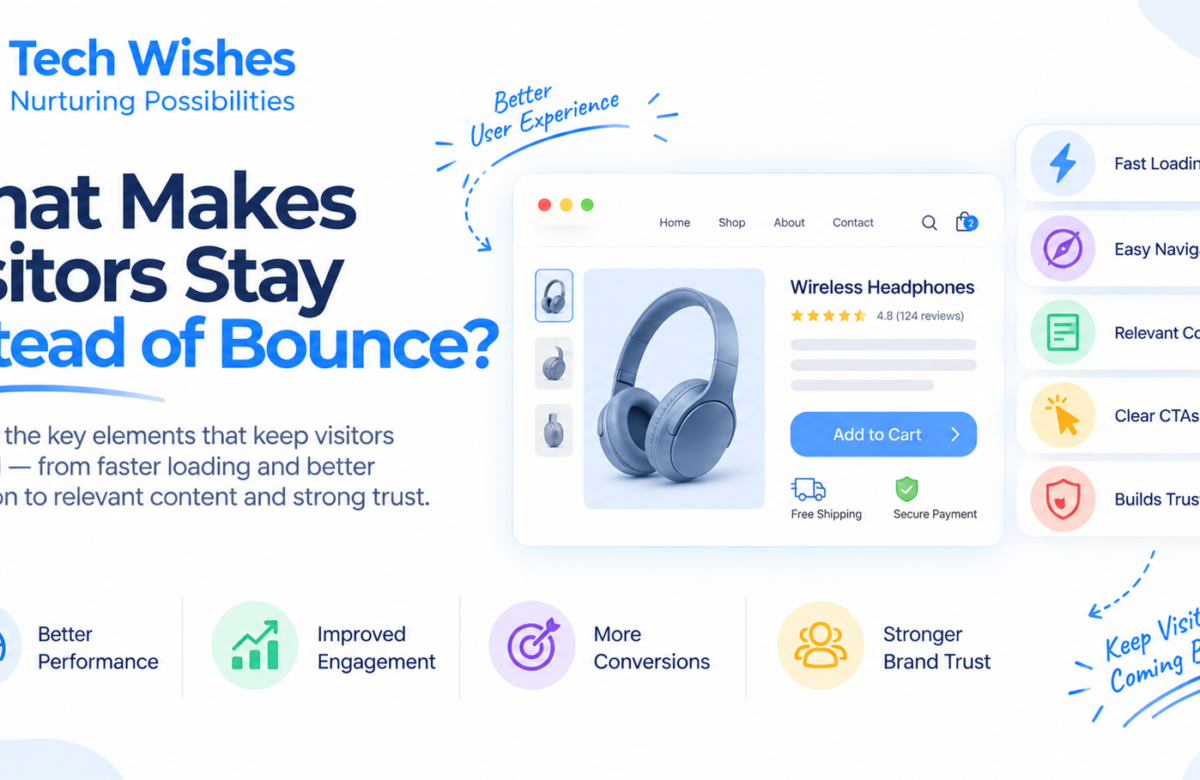
Your homepage sets the tone for everything that follows. The goal is to immediately answer: “Am I in the right place, and can I trust this site?”
Action Checklist:
- Headline clarity: Use a clear, benefit-driven headline above the fold
- Visual hierarchy: Prioritise your primary offer with bold design
- Above-the-fold CTA: Add a button with a clear value proposition
- Site speed optimisation: Compress images and enable lazy loading for faster load time
- Use Trust Signals Immediately
To build a website that converts, you need to eliminate doubt in the visitor’s mind.
Also Read: Why Do Blue Buttons Convert Better Than Red? The Psychology Behind Web Design
Include These Trust Elements:
- Client logos (if B2B)
- Star ratings or customer reviews
- Secure payment icons
- SSL certificate badges
- Money-back guarantees or warranties
These trust triggers assure new users that your brand is reliable and worth exploring further.
- Map the User Journey for First-Time Visitors
A big mistake many businesses make is designing for returning users. But first-time visitors don’t know who you are yet.
Optimise for Their Journey:
- Identify your top 1–2 entry points (homepage, product pages, blog, etc.)
- Make sure the next step is obvious (CTA, link, signup form, product category)
- Eliminate dead ends—every page should lead somewhere
A conversion-focused design doesn’t just look good—it’s intuitive.
- Design With One Primary Goal Per Page
Visitors shouldn’t have to guess what you want them to do. Whether it’s buying, booking, or signing up, focus each page on one conversion goal.
Examples:
- Homepage: Guide to shop collections or book a consultation
- Blog post: Promote a lead magnet or newsletter
- Product page: Encourage “Add to Cart” or “Buy Now”
Use visual contrast, whitespace, and button clarity to highlight your call to action.
- Use Real Photos, People, and Emotion
Stock photos don’t build a connection. Instead, use high-quality original images and videos that reflect your brand’s personality and values.
- Show real people using your product or service
- Include emotional triggers—excitement, relief, joy
- Use explainer videos for complex offerings
Storytelling and human imagery are powerful conversion levers, especially for first-time website visitors who need an emotional connection before a logical commitment.
- Mobile-First, Always
Most of your first-time visitors will likely come from a mobile device. A website that converts must be lightning-fast and fully responsive on all screen sizes.
Mobile UX Tips:
- Avoid pop-ups that cover content
- Keep CTA buttons thumb-friendly (44x44px minimum)
- Use vertical stacking for content blocks
- Compress all media files
Google’s mobile-first indexing means mobile UX directly affects search rankings.
- Use Live Chat or Smart Exit-Intent Popups
Some users won’t convert immediately, but you can still engage them before they leave.
Engagement Tools:
- Live chat with automated responses for FAQs
- Exit-intent popups with discount codes or lead magnets
- Scroll-triggered CTAs that don’t interrupt browsing
These subtle nudges help convert hesitant first-time visitors into subscribers, leads, or even customers.
- Track, Test, and Tweak
A high-performing conversion-focused website design is never static.
Optimisation Ideas:
- A/B test CTA colours, text, and placement
- Heatmaps to analyse user behaviour
- Use Google Analytics to identify drop-off points
Consistent testing helps you refine what’s working and what’s turning new visitors away.
Examples of Websites That Convert First-Time Visitors
Need inspiration? Here are real-world examples:
- Dropbox: Clear value prop, minimal design, strong CTA
- Airbnb: Human-centric design, search-first UX, trust-building imagery
- Notion: Smooth onboarding for first-time users, benefit-led homepage, explainer video
These brands excel in turning first-time website visitors into loyal users and customers.
How to Build a Website That Converts First-Time Visitors
The secret to a website that converts first-time visitors isn’t just great design—it’s strategic design.
Focus on clarity, emotional connection, trust, and guiding users toward one clear action at a time. From your homepage layout to your call-to-action buttons, everything should be intentional.
Whether you run an e-commerce store, SaaS product, or service business, following these web design best practices will set you up for more conversions and more long-term success.
Ready to Redesign Your Website for Conversions?
Our team at Tech Wishes specialises in conversion-focused website design that speaks to your audience and drives real results. From UI/UX audits to custom Shopify or WordPress builds, we know what makes visitors stay—and convert.
Book your free consultation today and let’s build a website that converts.