
As AI-driven search enters the mainstream, ChatGPT isn’t just a text assistant—it’s becoming a gatekeeper for shopping. Since April 2025, ChatGPT has supported ad-free, AI-powered shopping carousels, and merchants who optimise now will gain first-mover visibility.
Here’s an expanded walkthrough for e-commerce businesses aiming to get their products featured in ChatGPT-generated shopping lists.
What Is ChatGPT Shopping—and Why Should E-Commerce Care?
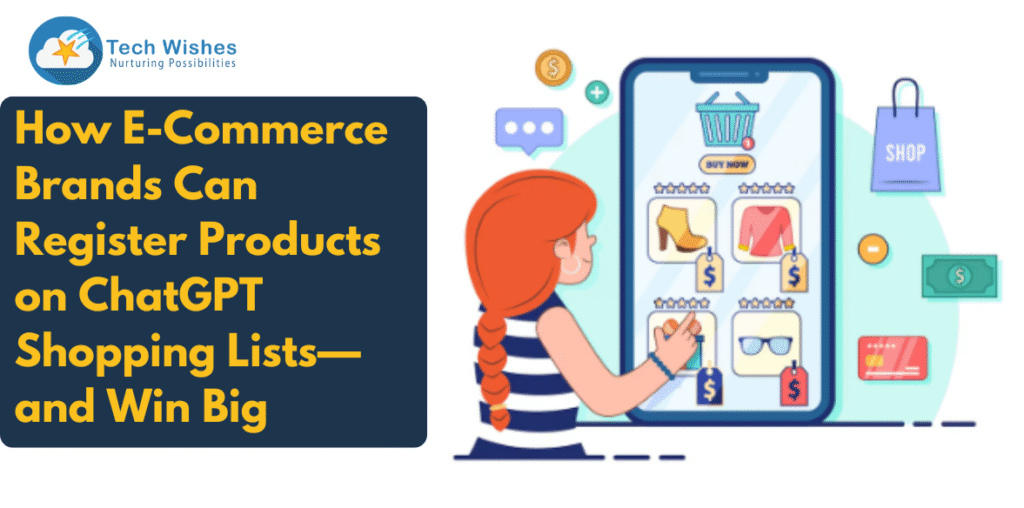
ChatGPT Shopping uses conversational AI to offer organic product recommendations—complete with images, star ratings, pricing, and buy buttons—all within the chat window. These results aren’t traditional ads; they’re curated by AI based on structured data and user intent.
For merchants, this means:
- Discovery Channel with over 800 million users weekly
- Ad-free presentation, so the most relevant products win
- Direct links to product pages, driving qualified traffic
This is the dawn of AI-first shopping, and getting listed early is essential.
How Does ChatGPT Choose Products to Feature?
ChatGPT combines multiple data sources:
- Structured product markup on your site (Product Schema)
- Listings in Google Shopping, Bing Merchant Centre
- Third-party data (reviews, editorial sources)
- AI-powered query understanding and personalisation
When users ask for a product, ChatGPT:
- Understands their intent
- Source items from catalogues
- Formats results with images, specs, review summaries, and buy links.
- Provides a seamless “chat-to-shop” experience
How Can You Get Your Products Listed? Step-by-Step Guide
1. Enable ChatGPT Crawler Access
Check your robots.txt and ensure platforms like OAI-SearchBot are allowed.
2. Submit Product Feeds to Shopping Platforms
Upload accurate product data to:
- Google Merchant Centre
- Bing Merchant Centre
This ensures ChatGPT can source metadata like price and availability.
3. Implement Product Schema Markup
Use a structured Product schema (name, price, rating, stock, images). This helps AI understand and rank your items.
4. Optimise Product Pages
Focus on:
- High-res, clear visuals
- Detailed, search-friendly titles and descriptions
- User-generated reviews and star ratings
These elements improve relevancy and trust, ensuring better AI-driven exposure.
5. Track Performance Using UTM and Analytics
Tag your buy links with UTMs. Use GA4 or your analytics platform to measure ChatGPT-driven traffic and conversions.
What Happens After You Get Listed?
Once eligible, your products can start appearing in ChatGPT results for queries like:
- “Best wireless mouse under $30”
- “Eco-friendly yoga mats”
Your product cards may appear with:
- Image + product name
- Price, availability, and review snippet
- “Buy now” button linking to your store.
This positions your brand for instant visibility in user shopping queries.
How to Improve Visibility in ChatGPT Shopping
- Enrich Schema- Add FAQ, review, and additional structured data to stand out.
- Maximise SEO- Optimise for transactional keywords, long-tail search, and geo-specific queries (e.g., “best earbuds Dubai”).
- Improve Reviews & Ratings- Encourage emails and follow-ups to organically grow stellar reviews—AI considers rating quantity and quality.
- Maintain Data Accuracy- Ensure consistency between your feed and site markup—any mismatch may exclude your product from listings.
- Stay Ahead with Feed Maintenance- Refresh feeds regularly and monitor status via the Merchant Centre dashboards.
Why This Strategy Matters Now (GEO, AEO & AIO-Optimised)
- Answer Engine Optimisation (AEO): It prepares your store to appear in AI-powered responses.
- Geo-based Shopping Visibility (GEO): Proximity-based queries are increasingly important, for example, “near me” or “Dubai stores” queries within ChatGPT.
- AI Interaction Optimisation (AIO): You’re formatting data for comprehension by large language models—climbing the AI-driven commerce ladder.
Essentially, optimising your products for ChatGPT Shopping is a future-proof, traffic-generating move.
Common Roadblocks & How to Overcome Them
|
Challenge |
Why It Matters |
Solution |
|
Schema Markup Complexity |
Incorrect implementation won’t be indexed |
Use Google’s Rich Results Test and Schema validators |
|
Feed Mismatches |
Inconsistent data causes delisting |
Sync feeds with live product catalogues |
|
No Reviews |
Lack of ratings lowers trust signals |
Add review widgets, follow-up emails |
|
robots.txt issues |
Blocking prevents indexing |
Review and allow the ChatGPT crawler |
|
Analytics tracking gap |
Without data, you can’t measure ROI |
Use UTMs and ChatGPT labels to track referral traffic |
Final Thoughts & Next Steps
AI-driven product discovery is here, and it starts with ChatGPT Shopping. Follow these steps:
- Open crawler access
- Upload quality product feeds.
- Add rich schema markup.
- Enhance user reviews and images.
- Track performance with analytics
If you’re committed to early adoption, this channel offers competitive visibility, especially in key markets like Dubai, the US, the UK, and India.
Keep following Tech Wishes to stay updated about everything around tech.