
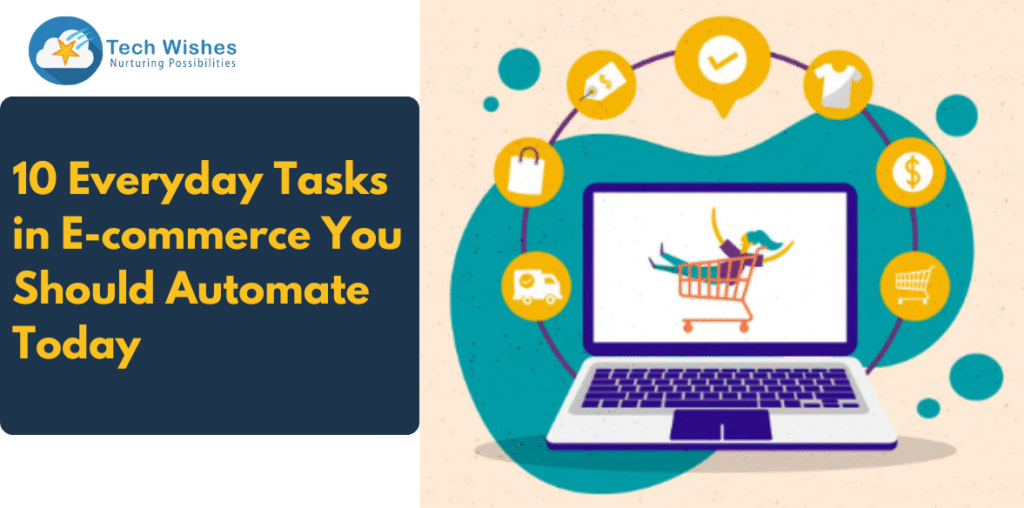
Running an e-commerce business is exciting — but let’s be honest, it’s also exhausting. Between managing inventory, processing orders, updating customers, and handling returns, you could easily spend all day on repetitive tasks that drain your time and energy.
That’s where e-commerce automation comes in. By automating the right processes, you can save hours each week, reduce human error, and focus more on growing your sales instead of just running the store.
In this blog, we’ll look at 10 everyday e-commerce tasks you can (and should) automate today — along with the tools and strategies to make it happen.
Order Confirmation Emails
Manually sending order confirmations is a waste of time. With automation, customers get an instant email or SMS confirming their purchase, complete with order details and estimated delivery dates.
Benefits:
- Builds trust instantly.
- Reduces “Where’s my order?” questions.
- Saves your customer support team time.
Tip: People often ask, “How do I automate order confirmations on Shopify?” — the answer is using your e-commerce platform’s built-in automation or third-party email tools like Klaviyo or Omnisend.
Inventory Management
Overstocking eats up cash. Running out of stock costs you sales. Automating inventory tracking ensures your stock levels are always up to date and triggers alerts or reorders before you run out.
Popular tools: Shopify Inventory Alerts, Zoho Inventory, Cin7.
Abandoned Cart Recovery
An abandoned cart isn’t a lost sale — it’s a missed opportunity. Automated abandoned cart emails or SMS reminders can bring customers back to complete their purchase.
Pro Tip: Send 2–3 reminders spaced out over 24–72 hours, and offer a small discount or free shipping in the final message to sweeten the deal.
Price and Product Updates
If you have multiple SKUs and frequent price changes, updating them manually can take hours. Tools like Shopify Flow or automation platforms like Zapier can sync price updates across all sales channels instantly.
Customer Feedback Requests
Collecting reviews is crucial for trust and SEO, but asking manually is slow and inconsistent. Automate review requests a few days after delivery to increase response rates.
Pro Tip: Include a direct link to the review form in your email or SMS for maximum ease.
Personalised Product Recommendations
Automation can help you upsell and cross-sell without being pushy. By tracking customer behaviour, your store can automatically suggest related or complementary products in emails or on product pages.
Example: If a customer buys a camera, your system could suggest lenses, tripods, or memory cards.
Social Media Posting
Posting manually across multiple platforms is a headache. Scheduling and automating posts with tools like Buffer, Later, or Hootsuite saves time and keeps your brand consistent.
Tip: People often ask, “What’s the best way to automate Instagram posts for my store?” — answer: use a content calendar tool that can schedule, auto-publish, and even recycle evergreen posts.
Shipping and Tracking Notifications
Instead of manually updating customers about shipping status, set up automated tracking emails or SMS alerts as soon as the courier updates the status.
Benefits:
- Improves customer experience.
- Reduces tracking-related support queries.
- Builds brand trust with transparency.
Customer Segmentation
Manually grouping customers by purchase history or behaviour is impossible at scale. Automation tools can segment them instantly, so you can send targeted marketing campaigns for better ROI.
Example: Segment frequent buyers, one-time customers, or high-value clients for tailored offers.
Reporting and Analytics
Pulling reports manually from your e-commerce platform, payment gateway, and ad accounts takes too much time. Automated reporting tools like Google Data Studio, Power BI, or Glew.io can give you daily or weekly summaries — no clicks required.
Also Read: Marketing Automation Tools That Convert for E-commerce
Why Automating Everyday E-commerce Tasks is a Game-Changer
Automation isn’t about replacing people — it’s about freeing up time for tasks that move the needle. You’ll spend less time firefighting and more time improving products, marketing, and customer experience.
Benefits of automation in e-commerce:
- Faster operations.
- Fewer human errors.
- Happier customers.
- More time for business growth.
Final Thoughts
If your e-commerce store is still running on manual processes, you’re leaving money and time on the table. Start small — automate one or two high-impact areas like abandoned carts and inventory alerts — and then expand as you see results.
At Tech Wishes, we help e-commerce brands streamline operations with custom automation workflows, Shopify optimisations, and performance-driven strategies. If you’re ready to work smarter, not harder, we can help you get started today.